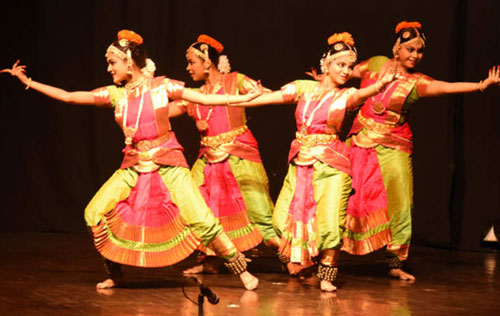
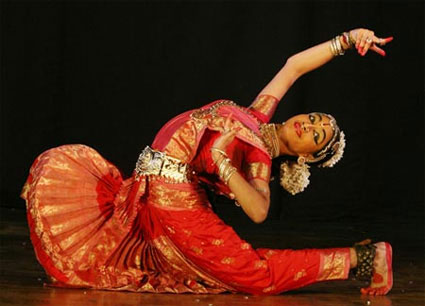
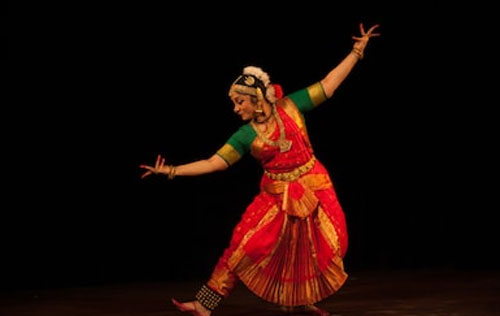
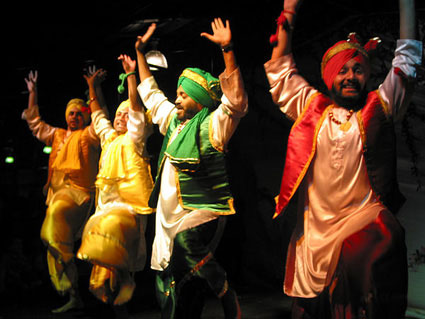
Indian folk dances are traditional and marked by occasions. Find out how they are influenced by folklores, and cultural and traditional diversity of the country.India is diverse country in terms of culture and tradition, and this gets reflected in the folk dances. There is a wide array of folk dance variations and varieties in India that goes in accordance with the various corners of the land. The Indian folk dances are believed to truly reflect the cultural and traditional diversity of the country. In fact the origin of each variety of folk dances can actually be traced to the various ends of the land and the people inhabiting that particular region.
Indian folk dances are a distinct category or art where the variation is defined in terms of form, theme and style. Their popularity can be attributed to the fact that it is a spontaneous event that calls for participation of every member of the society without any bar or restrictions.
Folk for Common Man
It is a belief that the classical
dance form is for the elite. The common man needs a certain extent of related education and awareness regarding the respective classical dance form in order to derive the meaning and pleasure from the performance. In this point the Indian folk dances score a major point. As mentioned above, since these dances are very spontaneous whose primary objective is to entertain and spread joy, people are free to participate and render the performance in their own style. Therefore sans the rigidity and adherence to grammar and theories, folk dances can be presented with greater ease and people too can readily understand the message or story that the performer wants to convey. This is the reason for its widespread popularity.
A Part of Everyday Life
The
Indian classical dance forms have their origin in the Mythologies and
Puranas, while the folk dances are integral to the life of the people of that particular region. They mostly tell the stories of their everyday lives. They talk about stories of their past cultural history, of people who lived years ago, some folklores that they have grown up believing and even stories of mythology that are popular and those that they can readily relate to. They focus more on expressing the moods, thoughts and emotions of everyday life of the common man.
Indian folk dances can be generally classified according to the state boundaries for instance, the
Bhangra is the folk dance of Punjab,
Bihu is the folk dance of Assam and
Dashavatara is the folk dance of the Goa and Konkan region. The folk dances are usually rooted in the tribal culture of the respective land and more popular amongst the rural community. But they also can be found to become an integral part of the lives of people residing in the said state.
Traditional and Marked by Occasion
All the Indian folk dances are related to a certain traditional culture of the respective region. One can notice each village performing a particular folk dance to mark a certain occasion of say, harvest, or wedding, or baby shower or ushering in a particular season like the spring, summers or the rain through their traditional folk dance. So the dances are mostly based on particular ceremonies that are exclusively performed to share the joy and happiness amongst the members of the community. There can also be ritualistic folk dances that become an essential part of the everyday lives.
Folk Dances are Ethnic
There is a variation in opinion amongst the social scientists and anthropologists regarding the ethnic aspect of the Indian folk dances. Many believe that the term ‘ethnic’ always refers to the folk dance of the respective region. But then there is also an opinion that ethnic should define the classical dance as it is a more pure form and has been passed down the ages by the ancestors. So while all folk dances can be ethnic, all ethnic dances cannot be folk. For instance, the
Kuravanji folk dance of Tamil Nadu has its origins in the folklore of the adjoining Andhra Pradesh. There can be cross ethnic boundaries in the Indian folk dances.
The Folk and Tribal Distinction
Folk dance is a variety but not a genre in dancing. It is a section of the non-classical dance form. Another essential aspect of folk dance is that they have their roots in the rural areas of the state. Many believe in categorising the folk dance into folk and tribal. It is only the culture that differentiates between the two. Folk dance is the rural extension of the population of the respective state, while tribal dance belongs more to the aboriginal population. For instance,
Bhangra is the folk dance of Punjab and
Garba is the folk dance of Gujarat; the dances in the Meghalaya region like the Garo and Khasi dance are tribal dances.
Indian folk dances are a medium of ensuring community bonding through spontaneous performance and participation. You need not be an expert in dancing and yet become a part of the performance and do your own step to just be a part of the fun. Although skill and style do matter and more often than not certain aspects of a particular dance is carried down through years, the point to note is that the dance inevitably provides as idea about the socio economic setup of the society.
What are popular Indian folk dances? What is the significance of Indian folk dances? What are the bases of folk dances of India? Discuss here.